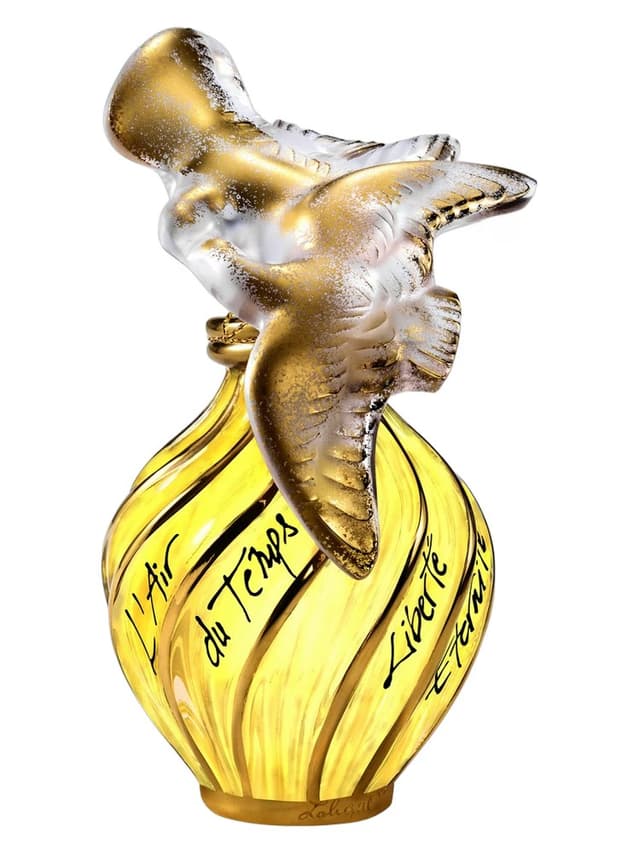
Nina Ricci
L'Air du Temps
for women · Launched 1948
Where to buy
| Shop | Price | |
|---|---|---|
 Perfumería ComasBest price | €54.95 | Go to shop |
| Perfumería Comas | €74.95 | Go to shop |
Scent profile
Share of people who describe it this way
How it wears
Share of votes by people who wear it: 126 votes, Parfica open fragrance database.
- Longevity
- moderate58% of votes
- Scent trail
- moderate69% of votes
- Season
- spring45% of votes
- Time of day
- day68% of votes
All votes
Longevity · 66 votes
- very weak8%
- weak8%
- moderate58%
- long lasting21%
- eternal6%
Sillage · 67 votes
- intimate12%
- moderate69%
- strong13%
- enormous6%
Season · 126 votes
- winter27%
- spring45%
- summer28%
Time of day · 95 votes
- day68%
- night32%
Sillage: how far the scent is noticed by people around you. Season and time of day allow several answers, so shares there are of all answers given.
Notes
Top notes are the first minutes, heart is the next hours, base is what stays.
Show all 26 notesShow fewer notes
About Nina Ricci L'Air du Temps
Perfumer: Francis Fabron
Nina Ricci's L'Air du Temps, composed by Francis Fabron in 1948, is a soft, spicy floral for women and one of the oldest scents still widely worn. Everyone who describes it calls it floral, about a third add woody, and smaller groups mention spicy, sweet, fresh or citrus facets.
Read moreShow less
Nina Ricci's L'Air du Temps, composed by Francis Fabron in 1948, is a soft, spicy floral for women and one of the oldest scents still widely worn. Everyone who describes it calls it floral, about a third add woody, and smaller groups mention spicy, sweet, fresh or citrus facets.
It opens with bergamot, neroli and peach lifted by aldehydes, which give a faintly soapy sparkle, with rose and carnation present from the start. The heart is the signature: carnation and cloves give a warm, peppery, slightly powdery spice, around which jasmine, rose, gardenia and ylang-ylang form a full, creamy bouquet, with violet and orris adding a cosmetic softness. The base is gentle and classical, with sandalwood, cedar and vetiver for dry woods, oakmoss and benzoin for a mossy, balsamic depth, and musk and amber for warmth.
Most wearers find both longevity and sillage moderate, so it stays close and polite. It is voted mostly for daytime and for spring and autumn, which suits a soft, ladylike floral for everyday wear.
L'Air du Temps — unisex fragrance by Nina Ricci (released 1948). Top notes: Carnation, Aldehydes, Rose, Neroli, Brazilian Rosewood, Peach, Bergamot. Heart notes: Carnation, Cloves, Gardenia, Jasmine, Rose, Ylang-Ylang, Violet, Orris Root, Rosemary, Orchid. Base notes: Spices, Iris, Oakmoss, Musk, Sandalwood, Benzoin, Amber, Vetiver, Cedar. — Parfica open fragrance database
More from Nina Ricci
View all → 7.3
 7.4
 7.5
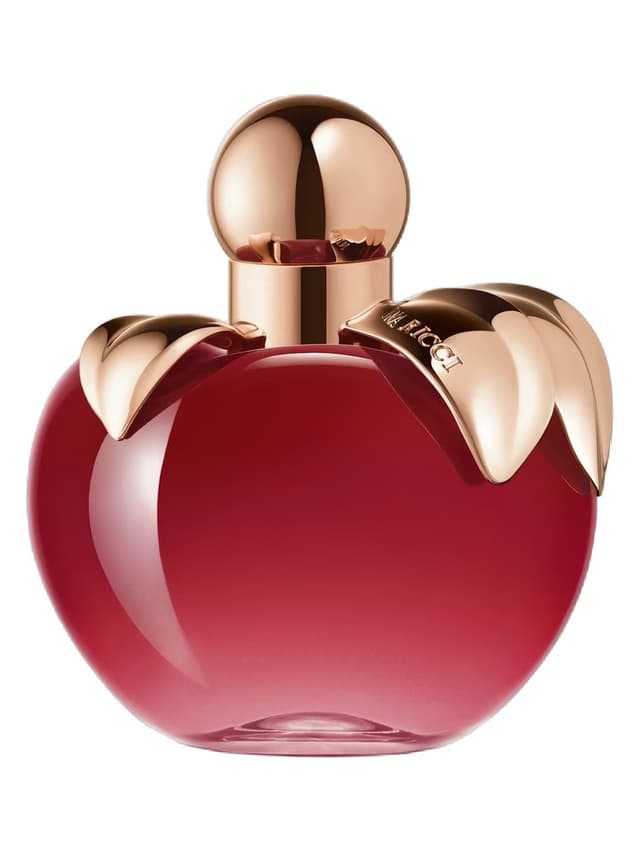 7.5
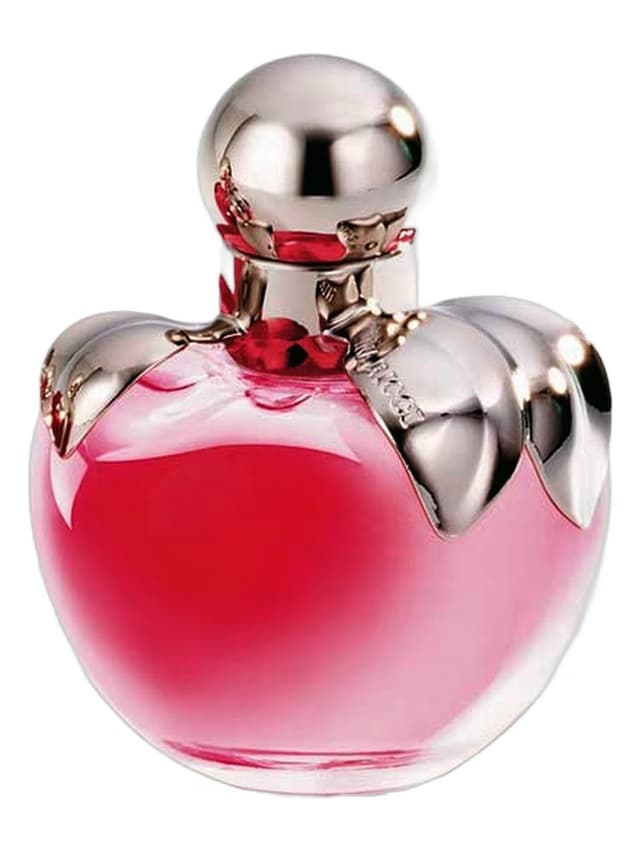
 7.7
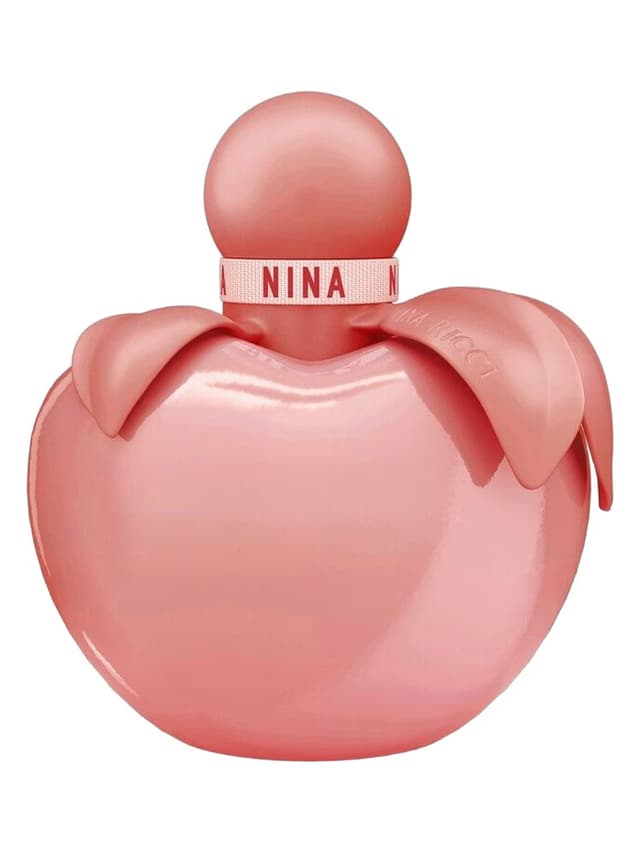 7.3
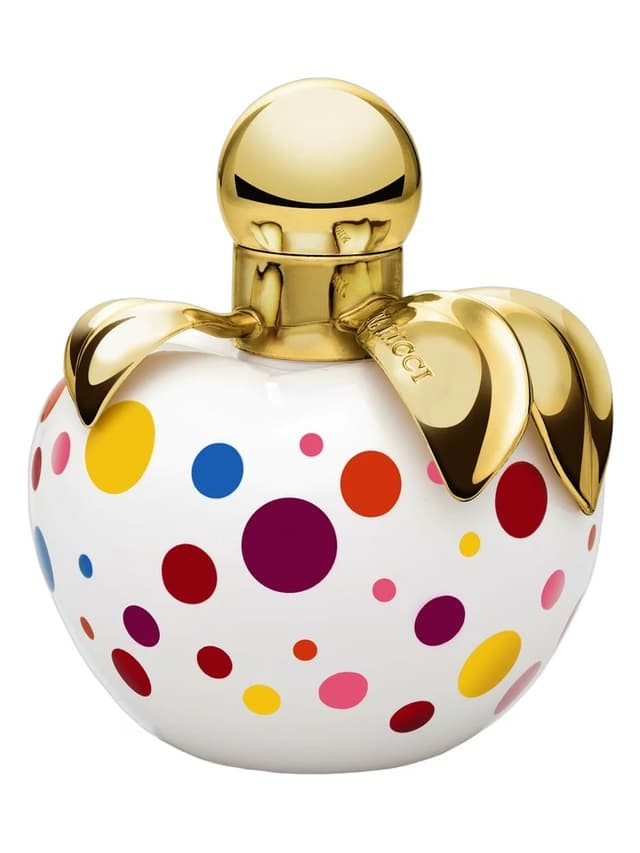 7.6
Quick answers
How much does Nina Ricci L'Air du Temps cost in Spain?
From €41.95 for 200 ml at Perfumería Comas. Other sizes: Bottle from €54.95. Price from one partner shop in Spain, checked daily, unchanged since 27 Oct 2026.
Which sizes are sold?
Bottle, 200 ml.
What does it smell like?
Mainly floral, woody, spicy and gourmand. It opens with aldehydes, bergamot, brazilian rosewood, carnation, neroli, peach; the heart is carnation, cloves, gardenia, jasmine, orchid, orris root; the base is amber, benzoin, cedar, iris, musk, oakmoss.
Who makes it?
Nina Ricci (France). Launched in 1948. The perfumer is Francis Fabron. Marketed for women.
How long does it last?
People rate its longevity as moderate and its sillage as moderate. Based on 66 wearers’ votes.
When to wear it?
Most people wear it in spring and autumn, mostly daytime.
Where does this data come from?
The rating and the votes on longevity, sillage, season and time of day come from Parfica open fragrance database. Notes, accords, perfumers and release data come from the ScentGlade catalogue (shared with the Olfactory app) and its editors. Prices and stock come from the partner shops’ own product feeds and show the last update date.